
Star Atlas held its final Town Hall of 2025 in mid-December. The session covered ongoing product work, economic updates, and ecosystem changes. Team members reviewed where the project stands after a challenging year. The Town Hall served as a snapshot of current progress rather than a forward-looking showcase.
December 2025 Town Hall Overview
The December Town Hall acted as a year-end recap for the community. Leadership walked through updates across gameplay systems, infrastructure, and broader ecosystem tools. The focus stayed on what is currently live or in development.
The team framed the session as a review of 2025. They discussed obstacles faced during the year. They also outlined which areas remain priorities heading into 2026.
Tether Partnership and Marketplace Changes
During the Town Hall, the team confirmed an ongoing partnership with Tether. They noted that discussions began more than a year ago. The partnership centers on payment rails and marketplace settlement.
The team explained how this change affects marketplace activity. Pricing is expected to move from USDC to USDT. The shift aligns marketplace transactions with commonly used stablecoins.
Before listing specifics, the team clarified the scope of the update.
- Planned move from USDC to USDT
- Emphasis on stablecoin-based trading
- Marketing support tied to ecosystem usage
Gameplay Progress and Holosim Chapter Two
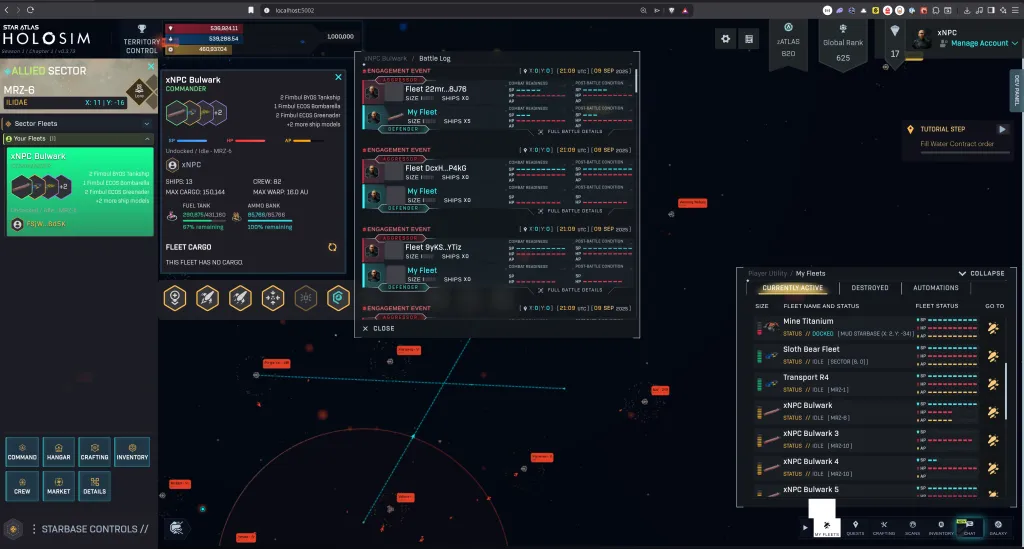
The Town Hall included an update on Holosim development. Chapter Two focuses on expanding systems and improving reliability. The release window remains early 2026.
Holosim Chapter Two introduces deeper economic interactions. NPC markets will support buy and sell orders. Mining operations will face greater exposure to combat scenarios.
The team outlined several additions planned for this phase.
- NPC-driven local markets
- Fleet-based mining protection
- Faction questlines and progression
z.ink, O.rigin, and Ecosystem Expansion
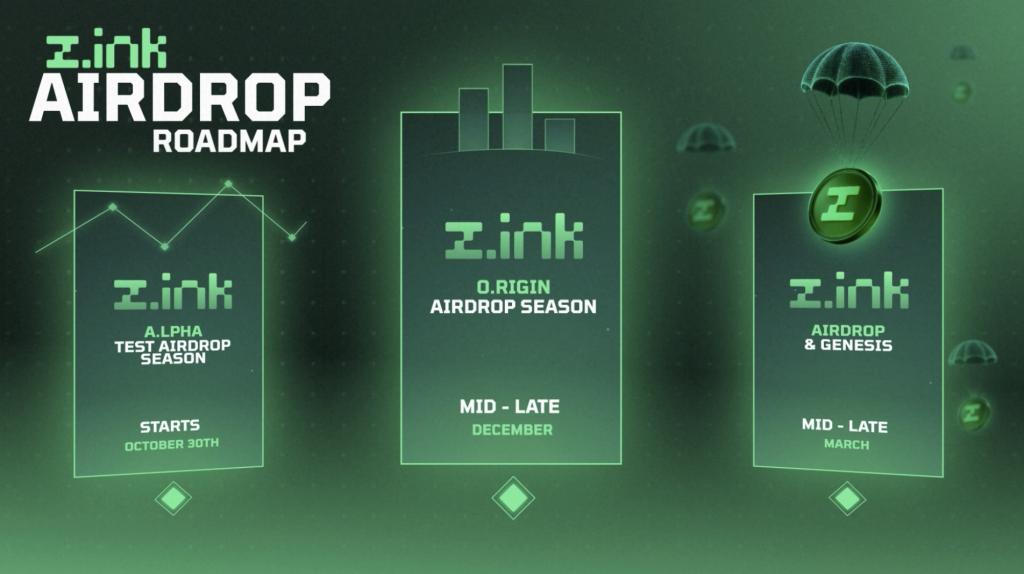
Updates on the z.ink ecosystem were also shared. The O.rigin campaign is currently active. It distributes a portion of the total ZINK supply.
The team explained how zProfiles factor into participation. Activity levels influence allocation weight. These systems connect engagement across different platforms.
To simplify the update, the team summarized the main components.
- O.rigin campaign rollout
- zProfile-based allocation logic
- Plans for validator participation
Open Market Operations and Economic Direction
The economy team introduced Open Market Operations during the session. This framework allows the team to participate directly in market activity. It responds to rising OTC trading volume.
The team explained how revenue flows under this model. Ship sales help offset reliance on token emissions. A portion of revenue supports market buybacks.
They then outlined the main operational focus areas.
- Addressing OTC trading impact
- Supporting on-market liquidity
- Revenue-based market participation
Q4 2025 Economic Snapshot
The Q4 economic report reflected broader market declines. Token prices continued falling throughout 2025. These movements weighed on USD-denominated metrics.
The report still showed ongoing SAGE activity. GDP declined mainly due to valuation changes. Internal economic activity remained observable.
Closing Thoughts and 2026 Outlook
The Town Hall ended with a summary of current conditions. The team acknowledged ongoing market pressure. They focused on work scheduled for the coming year.
Star Atlas moves into 2026 with defined development areas. Gameplay systems and economic controls remain central topics. Additional updates are expected through future Town Halls.