
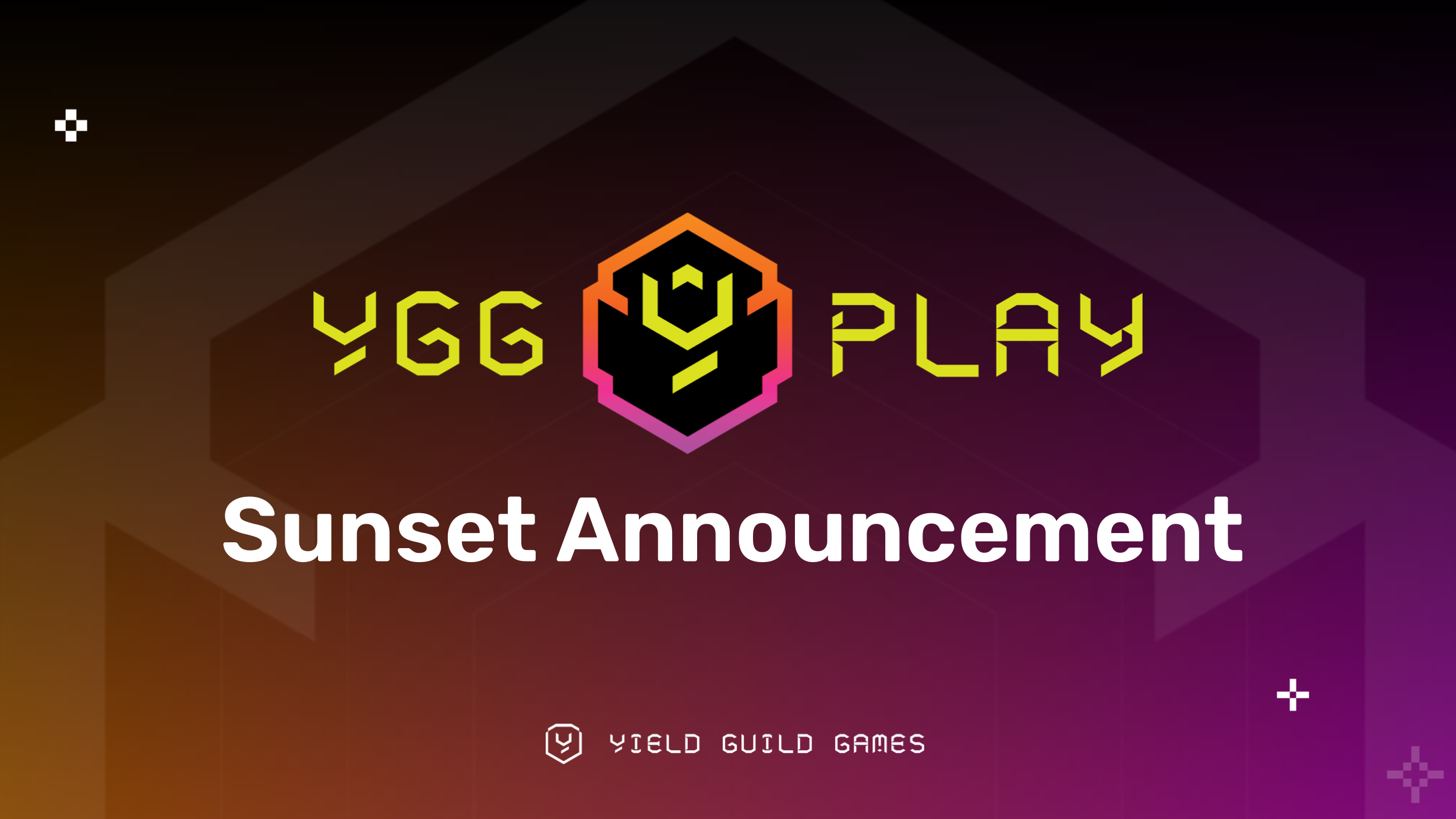
Yield Guild Games is shutting down YGG Play, its Web3 casual games publishing arm, after saying the business is no longer sustainable under current market conditions. The transition is expected to be completed by August 1, 2026.
YGG said the decision was not caused by a lack of product traction. Instead, the company pointed to the weaker crypto consumer market, lower retail liquidity, and a difficult games publishing environment as the main reasons behind the shutdown.
What Is Happening to YGG Play?
YGG Play will be retired as a business unit. This includes the YGGPlay.fun website, YGG Play Launchpad, related social accounts, and Community Questing on community.yggplay.fun.
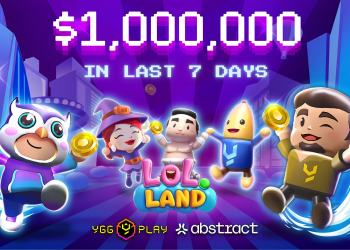
Two YGG Play-connected games, LOL Land and Waifu Sweeper, will also be shut down. YGG will also stop marketing support for third-party games under the YGG Play publishing model.
Which Games Will Continue?
Not every game connected to YGG Play is closing. YGG said the Web3 versions of GIGACHADBAT and Ragnarok Breaker will continue operating normally.
These games will stay live because their services are managed by their own studios. GIGACHADBAT is maintained by Delabs Games, while Ragnarok Breaker is maintained by Planetarium Labs.

Why Are They Closing?
YGG said the October 10, 2025 crypto market crash changed the market environment for Web3 consumer products. The company described the crash as a major liquidation event that wiped out more than $19 billion in leveraged positions within 24 hours.
YGG also said Bitcoin later dropped below $60,000, while major altcoins fell by 80% or more. This reduced retail liquidity, which is important for Web3 games, launchpads, and consumer-focused crypto apps.
YGG Play Had Early Traction
Before the shutdown, YGG Play had already shown some signs of success. YGG said the platform signed nine games, worked with IPs like Pudgy Penguins, partnered with creators, built the YGG Play Launchpad, and organized events for its community.
The company also said YGG Play reached $9 million in lifetime revenue by the end of Q1 2026. However, YGG said this was not enough to keep the business sustainable in the current market.
35 People Are Affected
The shutdown will affect 35 people across YGG Play’s team. YGG said it is helping connect affected team members with possible new job opportunities.
YGG co-founder Gabby Dizon said sunsetting YGG Play was a “market decision, not a product decision,” while adding that YGG’s broader mission of creating economic opportunities through technology remains unchanged.
YGG’s Next Focus: AI Data
After shutting down YGG Play, YGG plans to focus more resources on the AI data economy. Its first major direction is building a B2B pipeline around gaming datasets.
YGG believes gaming data can be useful for AI training because players make fast, complex, and sometimes unpredictable decisions inside games. The company sees this kind of human behavior data as valuable for training AI systems.
AI Alerts and New Earning Opportunities
YGG also highlighted AI Alerts, formerly known as YGG Alerts. The platform is being positioned as a discovery channel for AI-related work opportunities, especially in the Philippines.
According to YGG, AI Alerts received 27,000 applications in its first five days. The company said this shows strong demand for remote AI training jobs and practical AI earning opportunities.
YGG’s Financial Position
YGG also shared its treasury position. At the end of Q1 2026, Yield Guild’s treasury stood at $20.6 million, including $6.2 million in stablecoins, T-bills, and large-cap tokens.
By shutting down the unprofitable YGG Play unit, YGG said it has extended its operating runway to four years.
What This Means for Web3 Gaming
YGG Play’s shutdown is another sign that Web3 gaming companies are being forced to adjust to a weaker retail market. Even with revenue, creator partnerships, community support, and well-known IP collaborations, a Web3 games publishing model can still struggle when liquidity dries up.
For YGG, this is not a full exit from gaming. Instead, the company is moving away from direct Web3 casual game publishing and toward AI data, where gaming communities and player behavior may become part of a new business model.